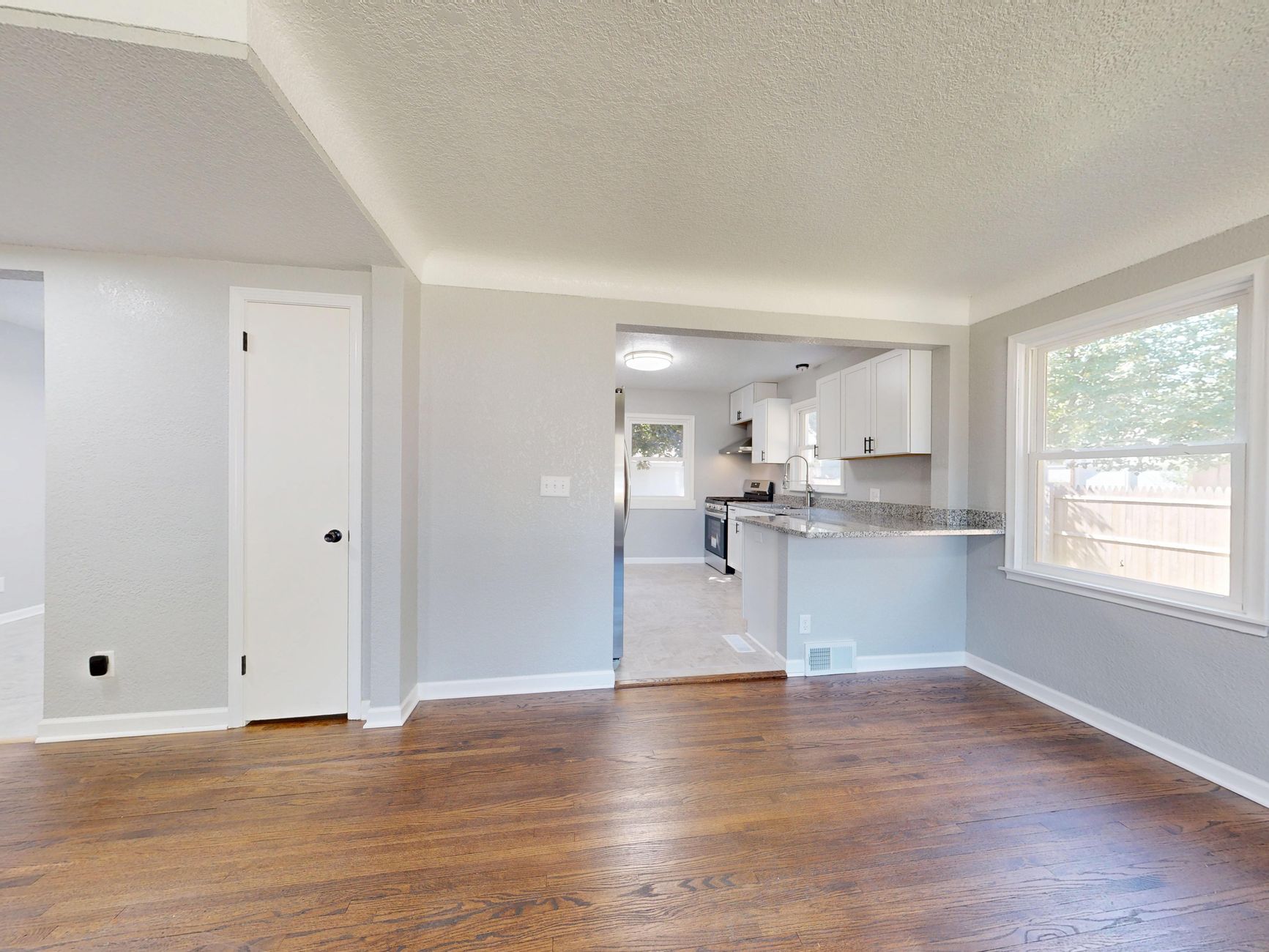
Hardwood Floor Refinishing in Eugene, Oregon
What it costs, and what Eugene's housing stock does to the job.
Floor refinishing in a 1980-median city
The median Eugene home was built in 1980 and 6.1% of the city’s housing predates 1940. For floor refinishing specifically, that is not background color — it is the thing that decides the job.
There is unlikely to be an original floor waiting here — this housing is postwar and later, so what gets refinished is a floor somebody chose rather than one you inherited. That makes the question narrower and more practical: is the wear in the finish or in the wood? If the surface is dull and scratched but not stained through, a screen and recoat costs a fraction of a full sand, takes a day and removes no wood at all. It is worth asking for by name.
Eugene pairs 40.8 inches of rain over 146 wet days with a 1980 median and 6.1% prewar. The Whiteaker and College Hill hold most of what is old; the rest is mid-century and later. The valley climate does the same favor here it does in Salem — indoor humidity stays in a range wood tolerates without help, so solid hardwood is a reasonable choice rather than a risk, and the acclimation target sits at the upper end of the 6-9% band rather than the bottom of it. The thing worth spending money on in Eugene is what happens at the doors, because a floor here meets wet shoes on 146 days out of the year.
What it costs in Eugene
the Willamette Valley labor runs below the Oregon baseline, which is why the range below sits under the statewide $3–$9. Installed, materials and labor together:
| Work | Eugene range | Oregon range |
|---|---|---|
| Refinishing existing boards | $3 – $8.5 a square foot | $3 – $9 a square foot |
An estimate, not a quote. These are planning ranges for Oregon, not a quote. What you actually pay depends on your rooms, your subfloor and the material you choose.
Extras are where a Eugene job most often moves away from the band: removing the old floor, prepping a plank subfloor, and stairs. The cost estimator prices those separately against your own room.
Questions worth asking before you book
- What is the subfloor, and what does it need? 6.1% of Eugene homes predate 1940 and the median build year is 1980, so plywood or OSB is the likelier answer here and a plank subfloor is the exception worth ruling out. How to identify yours.
- Is the old floor coming out or being covered? Covering costs less and is sometimes the safer answer, but it costs you height at doors and at the bottom stair riser.
- What is the cut-and-waste allowance? Ten percent is normal; older or irregular rooms take more, and cuts are labor.
- What did the slab read, and what did the boards read? An installer who measured both has told you more than a classification code could. What Oregon licenses, and what it does not.