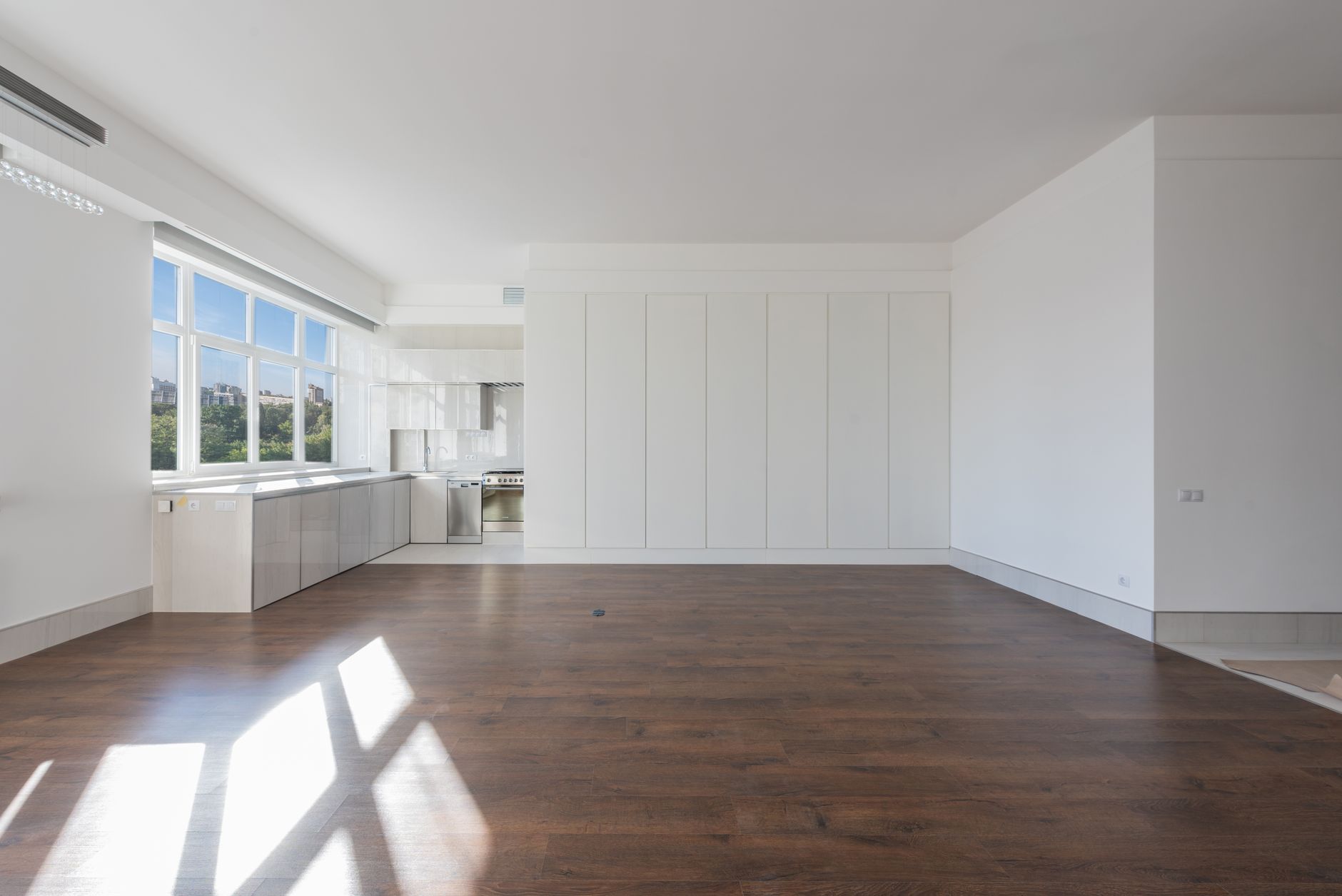
Flooring materials for Oregon houses
What each one is good at, what it costs installed here, and the rooms where it is the wrong answer.
Eight kinds of floor
What each one is good at, what it costs installed here, and the rooms where it is the wrong answer.
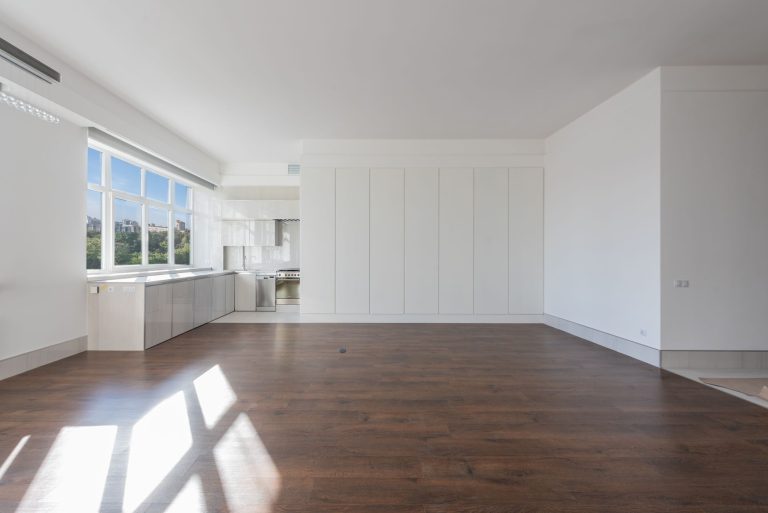
Hardwood
Solid and engineered. Still the best resale return on this list.
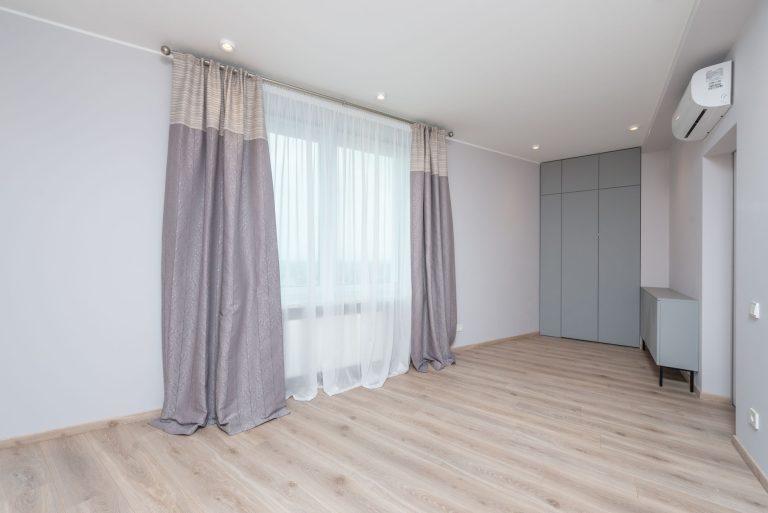
Luxury Vinyl Plank
Floats rather than bonds, so it rides over ground that still moves.
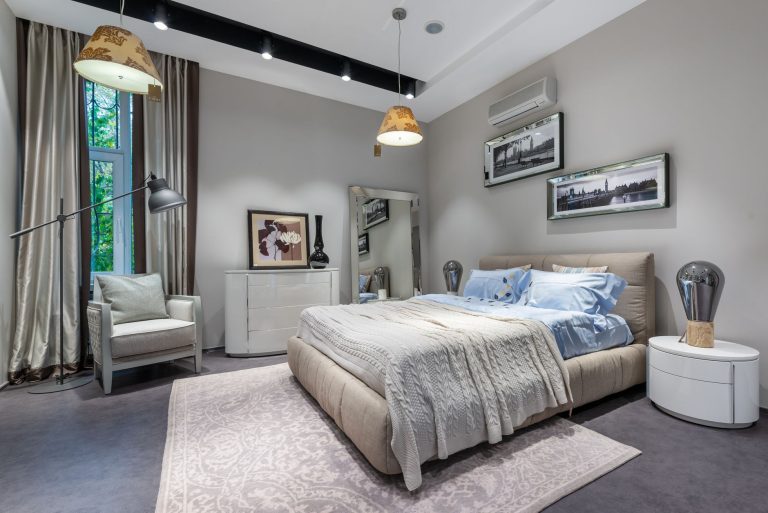
Carpet
Bedrooms and stairs — and the first thing to go after water.
Refinishing
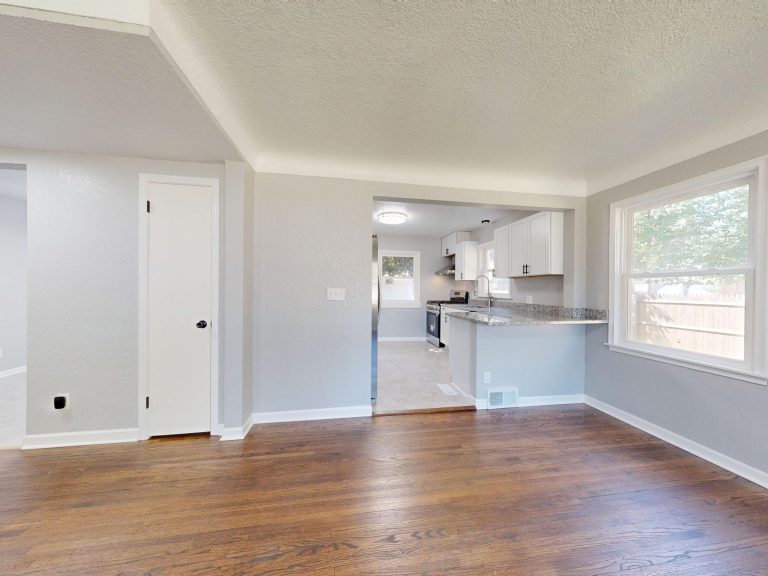
Sand, stain and seal the boards already under the carpet.
Tile & Porcelain
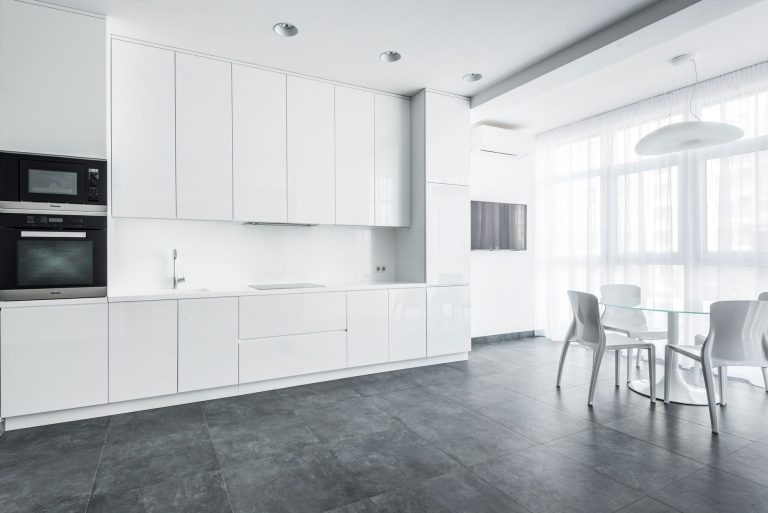
Hard-wearing, and the one that cracks if the ground moves under it.
Laminate
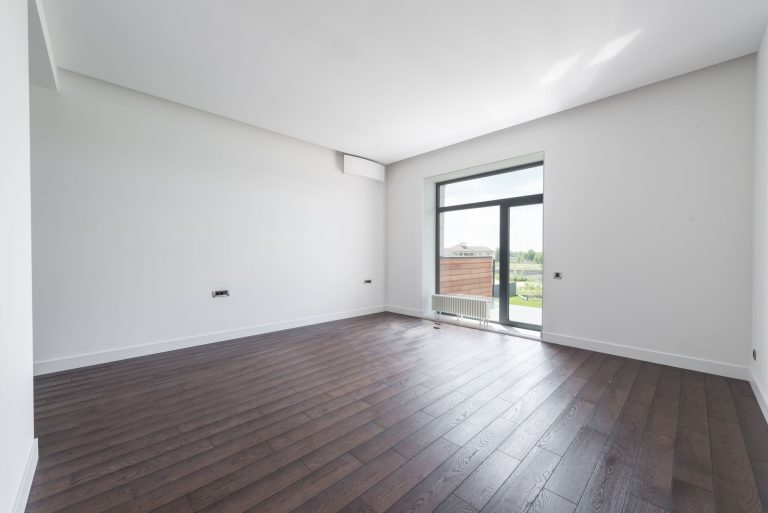
The budget end done properly — and where it is a false economy.
Natural Stone
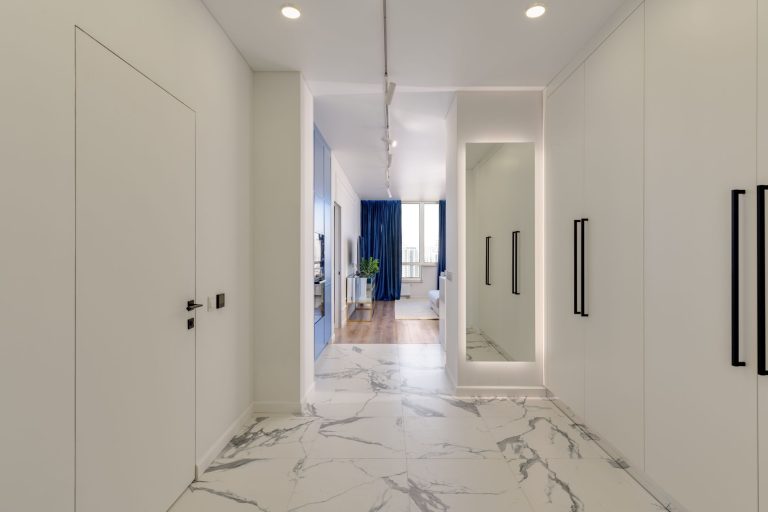
Entries and great rooms, where the floor does the talking.
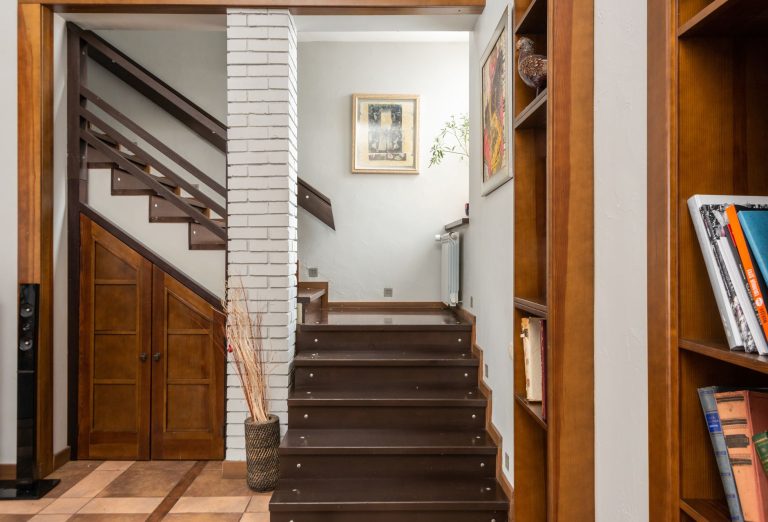
Stairs & Landings
Treads, risers and railings, raised-floor houses included.
Installed ranges across Oregon
Materials and labor together. The Portland metro sets the top of each band, Central Oregon sits just under it, and the Willamette Valley, Southern Oregon and Eastern Oregon below that. Only the labor half moves — material is a national commodity.
| Work | Installed range | |
|---|---|---|
| Hardwood, installed | $7 – $24 | per sq ft |
| Luxury vinyl plank | $3 – $13 | per sq ft |
| Carpet, installed | $3 – $9 | per sq ft |
| Laminate | $3 – $10 | per sq ft |
| Refinish existing boards | $3 – $9 | per sq ft |
| Tile, installed | $10 – $18 | per sq ft |
| Removing the old floor | $1 – $4 | per sq ft |
An estimate, not a quote. These are planning ranges for Oregon, not a quote. What you actually pay depends on your rooms, your subfloor and the material you choose.
Choosing between them
In an Oregon house the choice is narrowed by the building far more than by taste. Three questions settle most of it:
- Is it on a slab, and how old is the slab? On concrete that has not tested dry, wood and laminate are a bad bet and rigid-core luxury vinyl plank or tile is the answer until it has.
- What is the subfloor? A diagonal plank subfloor takes nailed solid hardwood and carpet directly. Everything else wants an underlayment or an overlay first, and that is a real cost. How to identify yours.
- How much does the floor move? Framed floors deflect and rigid materials crack. Tile and stone need a deflection check before a product is chosen, not after — and on a slab the equivalent question is whether there is an existing crack to isolate.
And one that comes before all three: is there already a hardwood floor under the carpet? In a great many Oregon houses there is, and refinishing it costs roughly a third of replacing it.
Questions people actually ask
Does it really matter which side of the Cascades I am on?
For a wood floor, yes, and it is the biggest single variable in this state. Portland gets 43.7 inches of rain a year and Bend gets 10.6. A western Oregon interior sits inside the 30-50% humidity range wood flooring is specified for most of the year without help; a Central Oregon interior routinely runs 15-20% in winter. Same board, same warranty, two different outcomes. For tile, stone, vinyl plank and laminate it makes almost no difference at all, because none of them move with humidity.
What moisture content should the installer be targeting?
Ask, and expect a number. The specified range is 6-9% moisture content, and where in that range depends on the room the floor will live in. East of the Cascades that is near 6%; in the Willamette Valley it is nearer the top. A board delivered at 9% and laid in Bend in November will keep drying after the crew leaves and the gaps will open in January. An installer with a meter and an answer is telling you something useful.
Is there really an old wood floor under my carpet?
In a west-side house built before about 1950, quite possibly, and in an Oregon house of that era it is usually 3-1/4 inch vertical-grain Douglas fir rather than oak. More than a quarter of Portland's housing predates 1940. Lift a corner in a closet with pliers, fold the carpet back off the tack strip and look. It costs ten minutes and refinishing runs about a third of the cost of a new floor.
Can I put solid hardwood in Bend?
Yes, and plenty of houses have it. It needs a narrower board, a genuine acclimation target near 6% moisture content, and whole-house humidification run through the winter. Treated as part of the installation it works; treated as optional it gaps. Engineered is the lower-maintenance answer on that side of the state and it is not a compromise if the wear layer is thick enough to refinish.
How flat does my floor actually need to be?
Most plank manufacturers specify around 3/16 in over 10 ft, and tile — particularly large-format — wants closer to 1/8 in over 10 ft. Lay a ten-foot straightedge on the floor and measure the biggest gap under it. That one measurement decides whether you are buying a floor or a floor plus a leveling job, and knowing it before you get quotes is worth more than any other ten minutes you will spend.
Do flooring installers in Oregon need a license?
Yes. Anyone paid to do construction work in Oregon must hold an active license with the Construction Contractors Board, and unlike some states there is no specialty exemption for floor covering. The license requires a surety bond and general liability insurance, and the number is public and searchable on the CCB's own site. Check it — it takes a minute. But treat it as a floor rather than a recommendation: it tells you someone is bonded, not that they have ever sanded a fir floor.