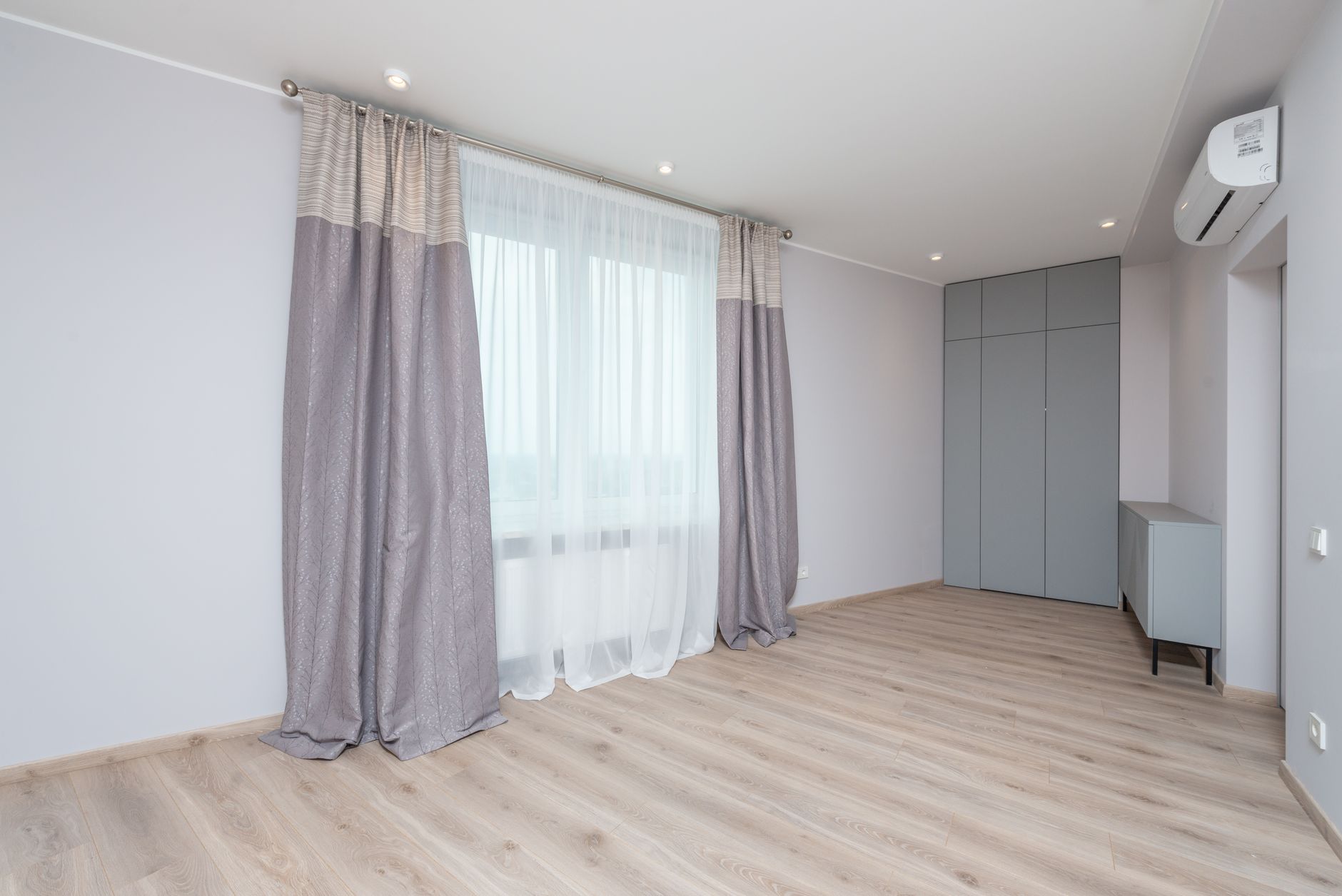
Luxury Vinyl Plank in Oregon: Costs, Wear Layers and the Dry Side
Vinyl plank is the one hard floor that behaves identically in Bend and in Portland, because it is not wood and does not care what the air is doing.
What it costs
Installed luxury vinyl plank runs about $3 to $13 per square foot in Oregon. The bottom of that band is a thin floating plank with a six-mil wear layer over foam underlay; the top is a rigid-core plank with a twenty-mil wear layer, attached acoustic backing and matching stair-nose profiles. They sit beside each other in the showroom and they are not the same product.
An estimate, not a quote. These are planning ranges for Oregon, not a quote. What you actually pay depends on your rooms, your subfloor and the material you choose.
The material that ignores the Cascade crest
Everything else on this site has a different answer depending on which side of the state you are standing on. Vinyl plank does not. It is a manufactured product with essentially no moisture movement, so the 15–20% winter humidity that opens gaps in a solid board in Bend does nothing to it, and the long damp season in the Willamette Valley does nothing to it either.
That is the honest reason it has taken so much of the market in Central Oregon in particular. It is not that vinyl is better than wood; it is that a rigid-core plank removes the one variable that takes the most managing on the dry side of the state.
Rigid-core planks — sold as SPC or WPC — still expand and contract slightly with temperature, which is a different mechanism from humidity and matters in a room with a large south-facing window. The expansion gap is what handles it, and it is why a floating floor must not be pinned by a heavy kitchen island set on top of it.
The wear layer is the number
Not overall thickness, not the picture on the box — the wear layer, in mils. Six mil is a rental-turnover floor. Twelve to twenty mil is a floor someone lives on. The price gap between them is much smaller than the difference in how often you replace it, and it is the single most useful question to ask in a showroom.
Flatness, and the hollow spot
A floating floor is a raft: it bridges small defects and telegraphs large ones, so a dip becomes a hollow spot you hear underfoot every time you cross it. Measure with a ten-foot straightedge and budget for leveling compound if it fails. This is the most common complaint about an otherwise sound vinyl installation and it is a subfloor problem, not a product problem.
Glue-down vinyl is a different product
Glue-down LVT is bonded to the substrate, so it follows it. It has real uses — heavy commercial traffic, very large rooms, over in-floor heating — but it gives up the tolerance that makes a floating plank attractive, and it makes the subfloor preparation stricter rather than looser.
Common questions
Is it really waterproof?
The plank is. The assembly is not necessarily: water that gets through the joints still reaches the subfloor and sits there. It handles spills, wet boots and mopping without complaint, which on 163 wet days a year in Portland is most of what people actually mean.
Can it go over my existing floor?
Often, if the existing floor is sound and flat and the height at doorways still works. Over old tile the grout lines need filling first or they telegraph through. Over an original fir floor, consider whether refinishing the fir is the better outcome before covering it permanently.
Does it need an expansion gap?
Yes — a floating floor has to be able to move as a sheet. A gap held under the baseboard, not caulked solid, is what lets it.